Top-Quality Welding Techniques for Lasting Structures
- lane lindley
- Apr 24
- 4 min read

Welding is a critical process in construction and manufacturing, serving as the backbone for creating strong, durable structures. Whether you are a seasoned professional or a novice, understanding the various welding techniques can significantly enhance the quality of your work. In this blog post, we will explore some of the top-quality welding techniques that ensure lasting structures, providing you with practical insights and examples to improve your skills.

Understanding Welding Techniques
Welding is the process of joining materials, usually metals or thermoplastics, by using high heat to melt the parts together. The molten material then cools to form a strong joint. There are several welding techniques, each with its unique advantages and applications. Here are some of the most common methods:
MIG Welding
MIG (Metal Inert Gas) welding is one of the most popular welding techniques due to its versatility and ease of use. It involves feeding a continuous wire electrode through a welding gun, which melts and fuses the materials together.
Advantages:
Fast and efficient for large projects
Minimal cleanup required
Suitable for various materials, including aluminum and stainless steel
Applications:
MIG welding is commonly used in automotive repair, manufacturing, and construction.
TIG Welding
TIG (Tungsten Inert Gas) welding is known for its precision and control. It uses a non-consumable tungsten electrode to produce the weld. An inert gas, usually argon, protects the weld area from contamination.
Advantages:
Produces high-quality, clean welds
Excellent for thin materials
Allows for greater control over the welding process
Applications:
TIG welding is often used in aerospace, automotive, and artistic metalworking.
Stick Welding
Stick welding, or SMAW (Shielded Metal Arc Welding), is one of the oldest welding methods. It uses a consumable electrode coated in flux to create the weld. The flux generates a shielding gas that protects the weld from contamination.
Advantages:
Effective for outdoor work and in windy conditions
Can be used on rusty or dirty materials
Equipment is relatively inexpensive
Applications:
Stick welding is commonly used in construction, maintenance, and repair work.
Flux-Cored Arc Welding (FCAW)
Flux-Cored Arc Welding is similar to MIG welding but uses a tubular wire filled with flux. This technique can be performed with or without shielding gas, making it versatile for various environments.
Advantages:
High deposition rates
Suitable for thick materials
Effective in outdoor conditions
Applications:
FCAW is often used in heavy equipment repair and structural steel fabrication.
Choosing the Right Technique
Selecting the appropriate welding technique depends on several factors, including the materials being welded, the environment, and the desired strength of the weld. Here are some considerations to help you choose:
Material Type: Different materials require different welding techniques. For instance, aluminum is best welded with TIG, while thicker steel may be more suited for MIG or FCAW.
Project Size: For large projects, MIG or FCAW may be more efficient due to their speed. For smaller, intricate work, TIG welding may be preferable.
Environmental Conditions: If you are working outdoors or in windy conditions, stick welding or FCAW may be more effective due to their ability to handle contaminants.
Preparing for Welding
Proper preparation is crucial for achieving high-quality welds. Here are some essential steps to follow:
Clean the Materials
Before welding, ensure that the surfaces to be joined are clean and free from rust, paint, oil, or other contaminants. Use a wire brush, grinder, or chemical cleaner as necessary.
Fit-Up
Ensure that the pieces to be welded fit together correctly. Gaps can lead to weak welds. Use clamps or fixtures to hold the materials in place during the welding process.
Select the Right Filler Material
Choosing the correct filler material is essential for achieving a strong weld. The filler should match the base materials in terms of composition and properties.
Welding Safety
Safety should always be a top priority when welding. Here are some essential safety tips:
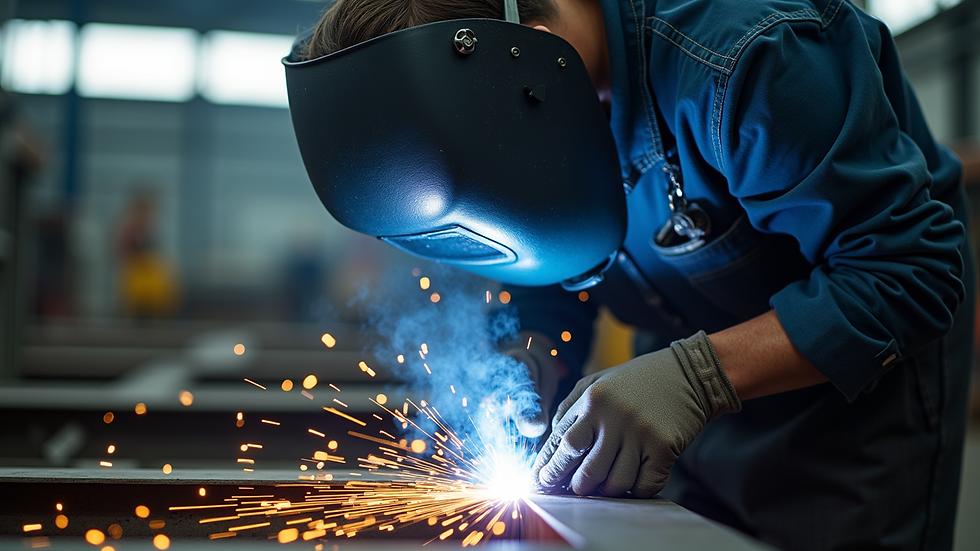
Wear Protective Gear: Always wear appropriate personal protective equipment (PPE), including a welding helmet, gloves, and flame-resistant clothing.
Ensure Proper Ventilation: Welding produces harmful fumes. Work in a well-ventilated area or use a fume extraction system.
Be Aware of Fire Hazards: Keep flammable materials away from the welding area and have a fire extinguisher on hand.
Common Welding Defects and How to Avoid Them
Even experienced welders can encounter defects in their work. Here are some common issues and tips for avoiding them:
Porosity
Porosity refers to small holes in the weld caused by trapped gas. To avoid porosity, ensure proper cleaning of the materials and maintain a consistent travel speed during welding.
Incomplete Fusion
This defect occurs when the weld does not fully fuse with the base material. To prevent incomplete fusion, ensure proper heat settings and fit-up of the materials.
Cracking
Cracking can occur due to rapid cooling or improper filler material. To minimize the risk of cracking, control the cooling rate and select the appropriate filler material.
Conclusion
Mastering top-quality welding techniques is essential for creating lasting structures. By understanding the various methods available, preparing properly, and prioritizing safety, you can enhance the quality of your welds and ensure the durability of your projects. Whether you are working on a small repair or a large construction project, applying these techniques will lead to stronger, more reliable structures.
Take the time to practice and refine your skills, and you will see the difference in the quality of your work. Happy welding!
Comments